

Every year, millions of people in the United States experience the frustration of being locked out. This stressful and inconvenient situation often demands a quick solution.
In such an emergency, a common bobby pin can become an invaluable tool. These inexpensive hair accessories are widely available and can be fashioned into a simple device for gaining entry.
This guide provides a clear, step-by-step method for using this everyday item to regain access to your property. We will explore the basic mechanics of a standard door lock to help you understand the process.
It is vital to recognise that this technique should only be utilised for genuine emergencies where you have lost access to your own home. Mastering this skill can help you avoid the high costs of calling a professional locksmith.
Key Takeaways
- Being locked out of your home is a common and stressful occurrence.
- A standard bobby pin is an inexpensive and accessible tool for emergency entry.
- Understanding basic lock mechanics is essential for successful utilisation.
- This method is intended solely for use on your own property during genuine lockout situations.
- Learning this skill can save you significant money on locksmith services.
- Always prioritise safety and legality when attempting to gain entry.
Introduction to Lock Picking with a Bobby Pin
Before bending that hairpin, it’s crucial to grasp the fundamental principles behind most residential security mechanisms. This section introduces the core concepts and the serious responsibility involved.
Lock picking is a delicate skill. It involves manipulating tiny internal components to mimic a key’s action. Understanding this process is the first step.
Understanding the Basics of Lock Mechanisms
Most common door locks use a pin-tumbler system. Inside, a series of driver and key pins block the cylinder from turning.
A correct key aligns these pins at the shear line. This allows the cylinder to rotate and the lock to open. Your goal with a bobby pin is to recreate this alignment manually.
This basic knowledge turns a simple item into a potential tool for regaining access to your own home.
Purpose and Responsible Use
The sole purpose of this knowledge is for emergency self-help. You must only attempt to open a lock you own or have explicit permission to open.
Unauthorised entry into any property is a serious criminal offence. This guide is for lawful, responsible use during a genuine lockout.
Always prioritise the integrity of your door hardware. Forced or careless attempts can cause permanent damage.
| Aspect | Description | Importance |
|---|---|---|
| Legal Ownership | Only manipulate locks on property you legally own or occupy. | Prevents criminal liability and respects others’ privacy. |
| Tool Integrity | Ensure your modified bobby pin is smooth and strong. | Reduces the risk of breaking the tool inside the lock. |
| Security Mindset | Consider if this method compromises your long-term security. | Encourages upgrading locks if they are too easily bypassed. |
| Skill Application | Use this technique strictly for emergency access, not for practice on other locks. | Maintains ethical boundaries and personal safety. |
Essential Tools and Preparation Techniques
The effectiveness of your attempt relies heavily on the quality and configuration of your improvised implements. Proper preparation prevents damage to the lock and frustration.
Taking a few moments to ready your tools correctly is a wise investment. It sets the stage for a smoother process.
Bobby Pins: Selection and Modification
Not all bobby pins are created equal. Seek out sturdy, all-metal ones. Flimsy pins may bend or snap under pressure.
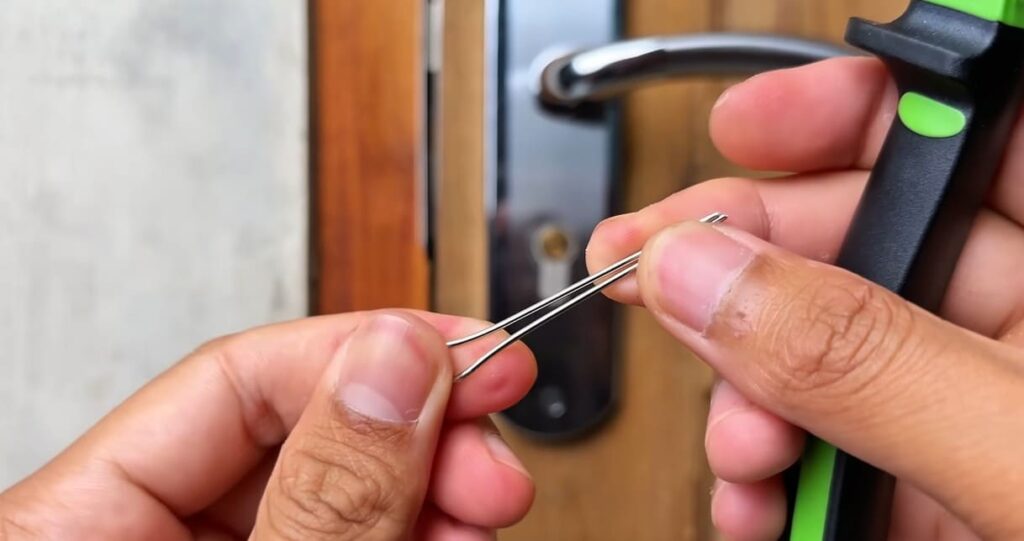
First, remove any rubber or plastic tips. These can detach and jam the mechanism. Then, straighten one pin completely.
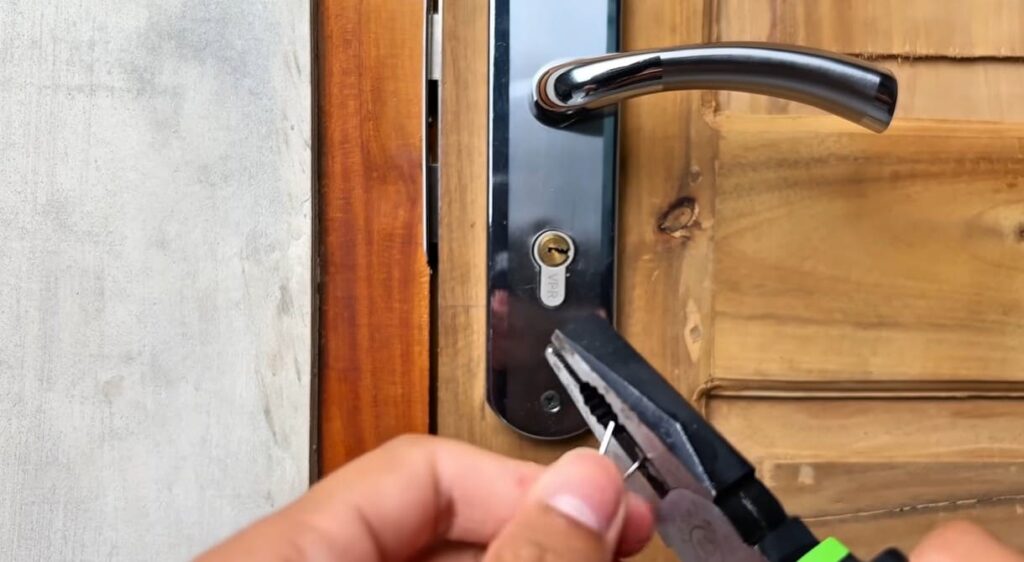
Using your fingers or pliers, bend the very tip into a slight, upward hook. This creates your primary pick.
| Step | Tool | Action | Purpose |
|---|---|---|---|
| 1. Selection | Bobby Pin | Choose a strong, metal hairpin. | Ensures the tool won’t fail during use. |
| 2. Stripping | Fingers | Pull off rubber ends. | Prevents debris from blocking the lock. |
| 3. Shaping | Pliers (optional) | Bend the tip into a small hook. | Creates an effective instrument for lifting pins. |
| 4. Backup | Paper Clip | Straighten and shape similarly. | Provides an alternative if a bobby pin isn’t available. |
Additional Tools and DIY Alternatives
If you lack a bobby pin, common household items can work. A standard paper clip is a classic substitute.
In a pinch, a sturdy paper clip can be fashioned into a serviceable tool. The principle is the same—you’re manipulating a simple piece of metal to interact with the lock’s internals.
Having a small pair of pliers makes bending much easier. It allows for more precise control over the shape of your makeshift tools.
With your implements prepared, you are ready to proceed thoughtfully.
Understanding the Mechanics of Standard Locks
Inside every standard door lock lies a clever yet simple mechanical puzzle. To solve it without a key, you must first understand how its internal components work together.
Most residential security systems rely on a classic design known as the pin-tumbler. This mechanism is both effective and widely used.
The Pin-Tumbler System Explained
The heart of the lock is a cylindrical plug, housed inside an outer shell. A series of small holes are drilled through both parts.
Each hole contains a pair of pins: a key pin and a driver pin. Springs push the driver pins down, blocking the plug from turning.
Inserting the correct key lifts each pair. It aligns them perfectly at a precise point called the shear line. This allows the plug to rotate freely.
Your goal is to recreate this alignment manually. You must lift each pin stack to the shear line using your tool, while applying slight turning pressure.
Other locking systems exist, like disc tumblers. This guide focuses on the common pin-tumbler mechanism found inside locks in most homes.
Step-by-Step Guide: how to pick a lock with a bobby pin
Executing the technique requires a steady hand and a clear understanding of the two-part tool system. You will use one modified hairpin to apply turning force and another to manipulate the internal components.
Preparing Your Tension Wrench and Pick
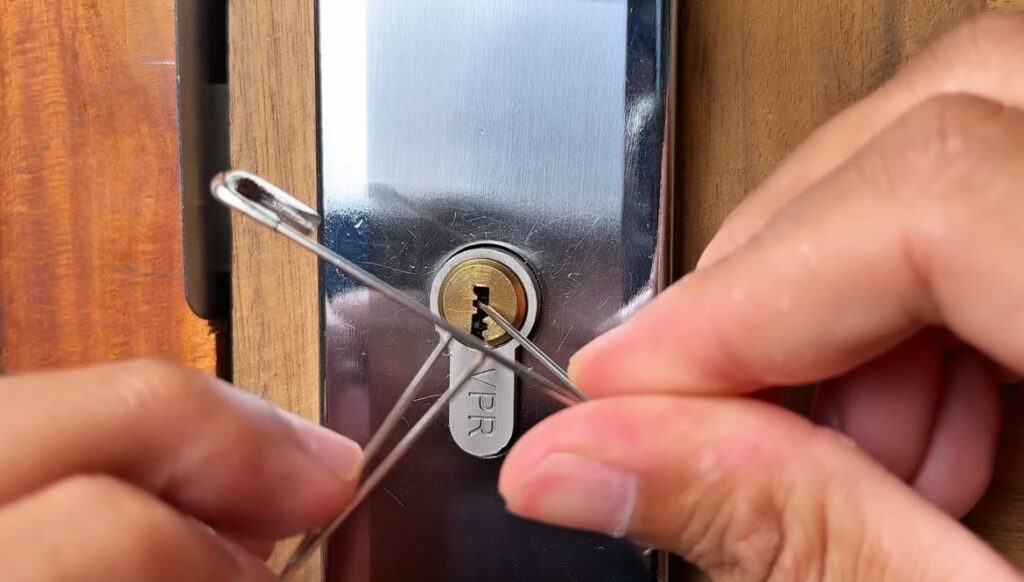
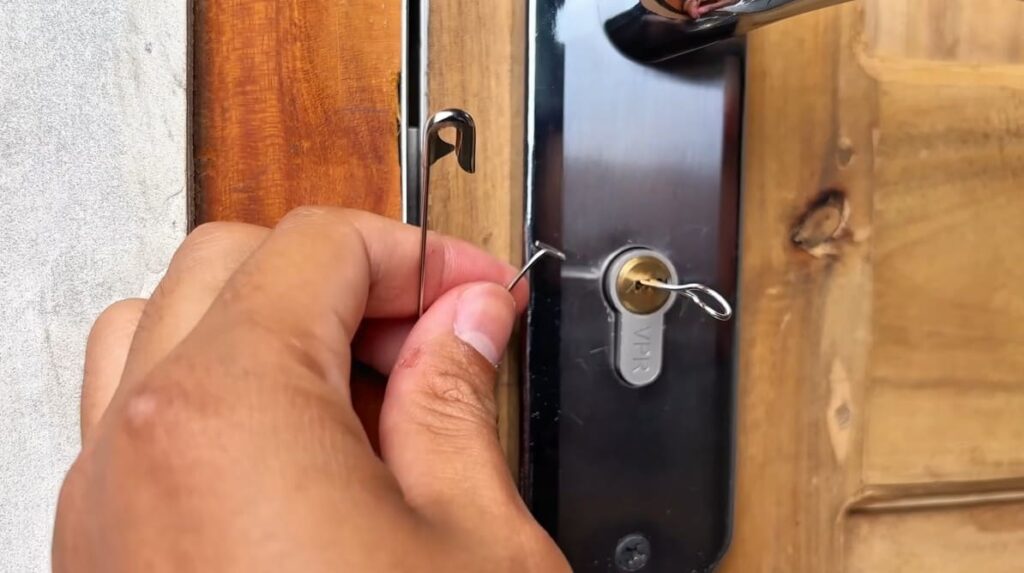
First, take your sturdy bobby pin and bend it into a sharp L-shape. This becomes your tension wrench. Insert this tool into the lower part of the keyhole.
Apply gentle, consistent pressure in the direction a key would turn. This slight torque is essential for creating binding friction on the pins.
Now, take your second hairpin, shaped with a small hook at the end. This is your pick. Slide it into the upper section of the keyhole, ready for the delicate process.
Setting the Pins and Applying the Correct Pressure
Gently probe with the pick until you feel the first pin. Lift it upward carefully. Listen for a faint click as it sets at the shear line.
Repeat this step for each pin inside the door lock. The most critical part is maintaining that light pressure on the tension wrench.
If done correctly, the cylinder will rotate and the door will open. This lock bobby pin method can be effective in an emergency.
Troubleshooting Common Mistakes
Success in this delicate task hinges on avoiding a few frequent errors that can halt progress. Recognising and correcting these issues quickly will save time and prevent frustration.
Avoiding Excessive Pressure and Misalignment
Applying too much pressure on the tension wrench is a common error. This excessive force causes the pins to seize, preventing them from setting properly at the shear line.
If you cannot feel the pins moving, reduce your torque. Find the perfect balance for that specific lock. Work through each pin methodically to avoid incomplete setting.
Rushing often leads to misalignment. Patience is vital during this process. A calm, steady approach yields better results than frantic movements.
Handling Broken Tools and Repeating the Process
A broken tool inside the mechanism can cause permanent damage lock. Always use sturdy implements and avoid forcing them.
If your pick or wrench snaps, stop immediately. Attempting to extract fragments may worsen the situation. You may need professional assistance.
Sometimes, starting over is the best solution. Reset all pins and begin the sequence from scratch with fresh, careful pressure.
| Error | Consequence | Correction |
|---|---|---|
| Excessive tension | Pins bind and won’t set | Apply lighter, consistent pressure |
| Skipping pins | Incomplete cylinder rotation | Methodically check each pin position |
| Rushing the process | Misalignment and frustration | Work slowly and maintain patience |
| Using flimsy tools | Breakage inside the lock | Select strong implements and have backups |
Mastering these troubleshooting techniques helps preserve your lock‘s integrity. It turns setbacks into valuable learning moments for future attempts.
Legal and Ethical Considerations
This knowledge is a double-edged sword, empowering in emergencies but fraught with legal risk if misused. Understanding these boundaries is as vital as mastering the physical technique.
Your actions must always align with the law and respect others’ property rights. Failing to do so can lead to severe consequences.
When and Where It Is Acceptable
You should only attempt this method during a genuine emergency where you are locked out of your own home. It is a tool for self-help, not for curiosity or practice.
Using it on a friend’s lock or a neighbour’s door is unacceptable. Even with good intentions, it can be seen as an attempt to bypass their security.
The only acceptable scenario is regaining entry to property you legally own or occupy. Any other use crosses an important ethical line.
Understanding Risks and Legal Boundaries
Picking a lock you do not own is illegal. In many places, including the United States, it constitutes a criminal offence like trespass or burglary.
These charges carry significant legal risks, including fines or imprisonment. Always consider these boundaries before acting.
If you have any doubt about the legality of your actions, stop. It is always safer to contact a professional locksmith for assistance. They can provide lawful entry without compromising your legal standing or damaging the lock.
Real-World Tips and Demonstrations
Gaining entry with a simple hairpin is a skill best learned from real-world application. Theory provides the map, but practical insights guide you through the actual terrain.
These tips and demonstrations bridge the gap between knowledge and successful execution.
Learning from Video Tutorials and Reader Experiences
Many find a visual guide invaluable. Video tutorials clearly demonstrate the correct way to manipulate the internal pins.
They show the subtle pressure and motion that written instructions can struggle to convey.
Reader experience also offers crucial lessons. Many note the lock bobby pin method is more challenging than films suggest. Patience is the real key.
With over 30 years in construction, I’ve seen this work on basic household locks. The vital tip is to take your time. Rushing risks damaging the delicate pins inside.
Practical Advice for Emergency Situations
If you face a real lockout at your home, stay calm. First, ensure you have permission to attempt entry.
Consider practising on an old, fixed lock beforehand. This builds valuable experience without pressure.
If you are in a difficult situation, calling a professional locksmith remains the most reliable way to regain entry. They can resolve the issue without harming your lock.
Modern Alternatives to Traditional Lock Picking
Modern homeowners are turning to digital solutions to eliminate lockout stress completely. This shift moves security beyond mechanical manipulation.
Digital entry systems offer a reliable and convenient solution. They remove the need for physical keys and the associated risks.
Smart Locks and Digital Entry Solutions
A smart lock replaces your traditional deadbolt with an electronic mechanism. You control access via a keypad, smartphone app, or fingerprint.
Models like the Aqara U50, U100, U200, and U300 provide this security. They manage home entry without any metal keys to lose.
The installation of a smart lock is often straightforward. Most homeowners can complete the job with basic tools in minimal time.
This choice eliminates the risk of needing to manipulate your own lock. That process can cause internal damage to the mechanism.
Advanced models, like the Aqara U300, offer exceptional security. It uses a 160×160 pixel sensor array with a False Acceptance Rate under 0.0001%.
Investing in these systems is a permanent solution. It prevents stressful lockouts and removes the need for a professional locksmith.
| Aspect | Traditional Lock & Key | Modern Smart Lock |
|---|---|---|
| Entry Method | Physical key required | Code, app, or biometric scan |
| Security Features | Basic pin-tumbler mechanism | Encrypted digital access with audit logs |
| Installation Process | Professional fitting often needed | DIY-friendly for most standard doors |
| Lockout Risk | High if keys are lost | Very low; multiple backup entry methods |
| Long-term Solution | Prone to wear and key duplication | Updatable software and remote management |
Conclusion
While a bobby pin offers a quick fix, it highlights the vulnerabilities of traditional lock mechanisms. The delicate process of lifting internal pins is a skill for genuine emergencies only.
Always remember this technique is for your own property. Unauthorised use carries serious legal risks and undermines others’ security.
For lasting peace of mind, consider a modern smart lock. These digital systems provide secure, keyless entry and eliminate lockout stress entirely.
Thank you for exploring this topic. We hope it leads to more informed decisions about your home security and the best long-term solution for you.