


Did you realise that over 30% of domestic lockouts involve a fragment of a broken key stuck inside the mechanism? It’s a startlingly common mishap, often striking when you’re rushing out the door for work or an important event.
That sudden snap and the realisation you’re holding only half a key is incredibly frustrating. Your immediate access to home, office, or car is blocked by a small piece of metal.
This guide is designed to cut through the panic. We provide clear, essential DIY techniques to retrieve that fragment and restore your access calmly and efficiently. Forcing the lock in frustration usually worsens the problem.
Understanding how your lock works is the first step towards a safe solution. Our step-by-step instructions will help you manage this situation without causing costly damage to your property.
Key Takeaways
- Remaining calm is the most critical first step when a key breaks.
- Never attempt to force the lock, as this can lodge the fragment deeper.
- Simple household tools can often be used for a safe extraction.
- Understanding your lock’s basic mechanics aids in both removal and future prevention.
- Having the right technique is more important than having immense strength.
- If DIY methods fail, contacting a professional locksmith is the wisest course of action.
Understanding Why Keys Snap in Locks
Several predictable factors contribute to a key’s failure, turning a simple task into a locked-door dilemma. Knowing these reasons helps you address the immediate problem and stop it from happening again.
Common Causes of Key Breakage
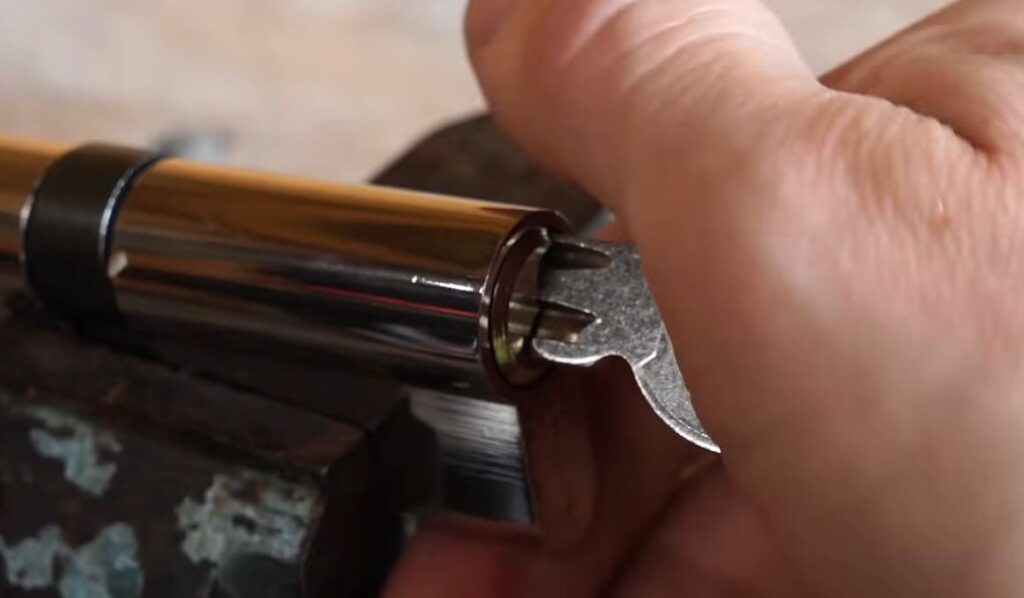
Most standard keys are crafted from soft metals like brass or nickel. These materials are chosen for machinability but can weaken significantly with repeated use. This gradual fatigue is a primary reason for a broken key.
Applying too much force when the lock is stiff is another major culprit. This often happens if the mechanism is dirty or corroded. Grime, dust, or rust inside the key lock creates friction, causing the key to jam and potentially snap.
Preventative Measures to Avoid Failures
The best defence is a simple visual check. Regularly inspect every part of your key for bending, thinning, or deep scratches. These are clear warnings that a key breaks risk is high.
If you spot wear, replace the key immediately. Using a fresh, well-cut duplicate on a clean, lubricated lock is the most reliable way to avoid a broken key lock situation. Proactive care saves you from future hassle.
Essential Tools for Key Extraction
Your success in retrieving a key fragment largely depends on selecting the proper tools for the job. The right equipment can turn a frustrating situation into a quick fix.
Having a few specific items ready makes the process smoother. It also protects your lock from unnecessary damage.
Household Tools Overview
Many effective tools are already in your home. Needle-nose pliers are a prime example.
Their long, thin tips can grip the metal piece inside the keyway. A straightened paperclip works as a makeshift extractor too.
You slide it alongside the broken key to hook and pull. Super glue is another option, but use it with extreme caution.
A tiny drop can bond to the fragment. You then pull gently with your pliers for support.
Specialised Locksmith Instruments
For stubborn cases, professionals use dedicated tools. A key extractor tool is designed for this exact purpose.
This specialised extractor tool has fine hooks that engage the broken key‘s teeth. It removes the fragment without scratching the lock.
In very tough situations, a jigsaw blade can be effective. Its thin, rigid metal can reach deep-seated pieces.
These professional tools highlight why calling a locksmith is wise for complex jobs.
how to get a snapped key out of a lock
Before you attempt any removal, assessing the situation thoroughly prevents common mistakes that complicate extraction. A calm, step-by-step process is essential for success.
Rushing often makes the problem worse. Follow these guidelines to safely remove broken key fragments.
Step-by-Step Extraction Process
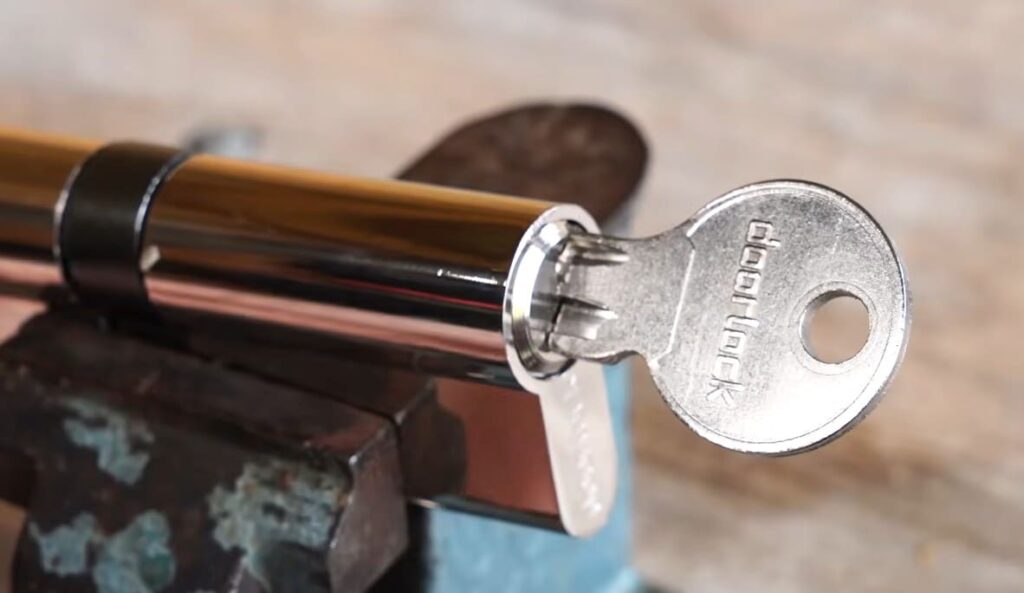
First, check if any part of the key is protruding from the lock. Visibility is crucial for a DIY approach.
If a piece is visible, use needle-nose pliers to grip it firmly. Apply gentle, steady pressure to pull it straight out.
Never insert the remaining key piece. This action can push the broken key deeper into the mechanism.
For a flush break, a dedicated key extractor tool is the best option. Its tiny hooks engage the broken key‘s teeth for a clean removal process.
Important Safety Precautions
Always make sure you stay composed. Panic leads to hasty decisions that can damage the lock.
Make sure you do not apply excessive pressure. Forcing the piece can lodge it irreversibly.
If the key is not visible, do not proceed. This situation requires a professional locksmith to get broken key fragments without harming the lock.
Following this careful process helps you safely remove broken key obstructions and restore access.
DIY Methods for Removing Broken Keys
Simple household items can become powerful tools for extracting a stubborn key fragment. With patience and care, these DIY methods can help you remove broken key pieces and restore access.
Using Tweezers, Pliers, and Paperclips
If the broken key protrudes from the lock, needle nose pliers are a go-to solution. Grip the visible key fragment firmly and pull straight out.
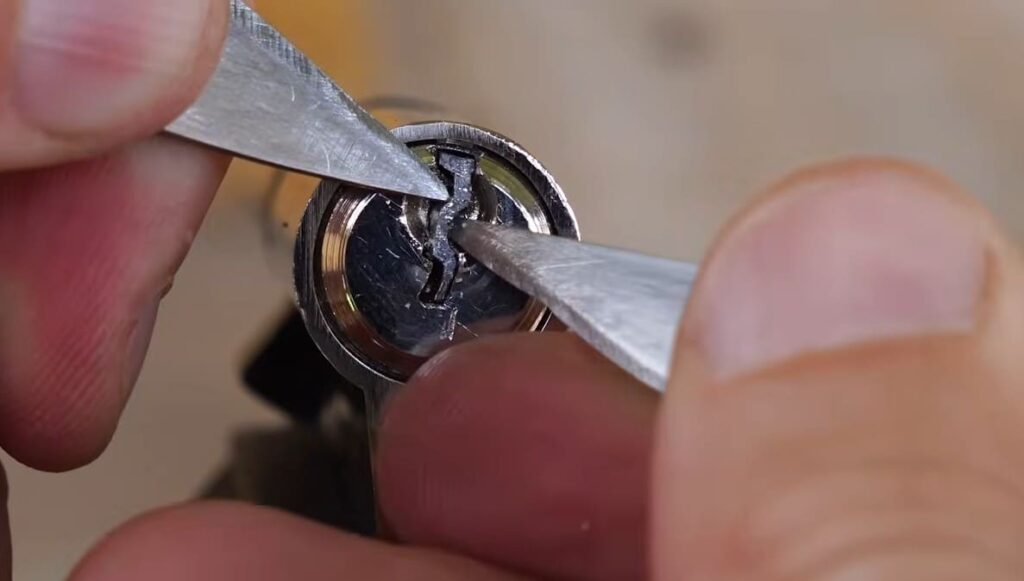
For a piece deeper inside lock warding, fine-pointed tweezers work well. Ensure they are thin enough to grip the broken key piece without pushing it further in.
A straightened paperclip or bobby pin is another perfect solution. Slide it alongside the fragment to hook and pull it free.
Alternative Techniques with Jigsaw Blades and Super Glue
The super glue method requires extreme caution. Dab a tiny amount on a wire and press it against the key for ten seconds. Pull gently once bonded.
Never use too much glue, as it can permanently seal the key inside.
For a more mechanical approach, a jigsaw blade can be inserted into the lock. Its fine teeth hook onto the fragment, helping you get broken key pieces out. These practical methods prove that effective DIY methods are often close at hand.
The Importance of Lubrication in Key Extraction
Friction is the enemy when trying to remove a key piece, and the right lubricant is your best ally. It reduces internal resistance, allowing the broken key fragment to slide smoothly towards the keyway opening.
Proper lubrication protects the delicate metal components inside your lock. This simple step can prevent costly damage during the extraction process.
Choosing the Right Lubricant
Selecting the correct lubricant is crucial. For indoor lock mechanisms, a dry lubricant like graphite powder is ideal.
It won’t attract dust or grime. Outdoor locks benefit from Teflon or silicone-based sprays, which resist weather.
Avoid oil-based products like standard WD-40 for long-term use. They can gum up the lock over time, affecting performance.
Effective Application Tips
Spray or insert the lubricant directly into the keyway. Aim for the end where the broken key part is lodged.
Allow it a moment to penetrate. This reduces friction, helping the fragment move towards the keyway end.
Always wipe away any excess residue from the lock exterior. Use a clean rag or paper towel for this final step.
This keeps the key and lock clean for future use. Proper lubricant application ensures a safer, more successful removal.
When to Transition from DIY to Professional Help
Attempting to extract a key fragment yourself is commendable, but certain scenarios demand a professional touch. Recognising these signs early protects your lock from irreversible harm.
Knowing when to step back saves time, money, and frustration in the long run.
Signs that Indicate Professional Intervention
If the broken key is lodged too deeply for your tools to reach, stop. Forcing it can wedge the part further in.
Previous failed DIY attempts that have scratched or damaged the lock interior are a clear signal. An old, rusted, or misaligned mechanism also complicates the situation.
In these cases, a professional locksmith possesses the precise instruments to remove broken key fragments safely. Their expertise prevents collateral damage to the delicate components.
Cost and Risk Considerations
Hiring a locksmith involves an investment, typically between $50 and $160. This cost is often far lower than replacing a ruined lock assembly.
A skilled professional locksmith uses dedicated extractors that won’t compromise the keyway. They can also get broken key pieces out and immediately provide a replacement key or rekey the lock.
This service restores your security without delay. When your own efforts to remove broken key obstructions stall, calling a locksmith is the wisest, safest choice.
Advanced Techniques for Persistent Lock Issues
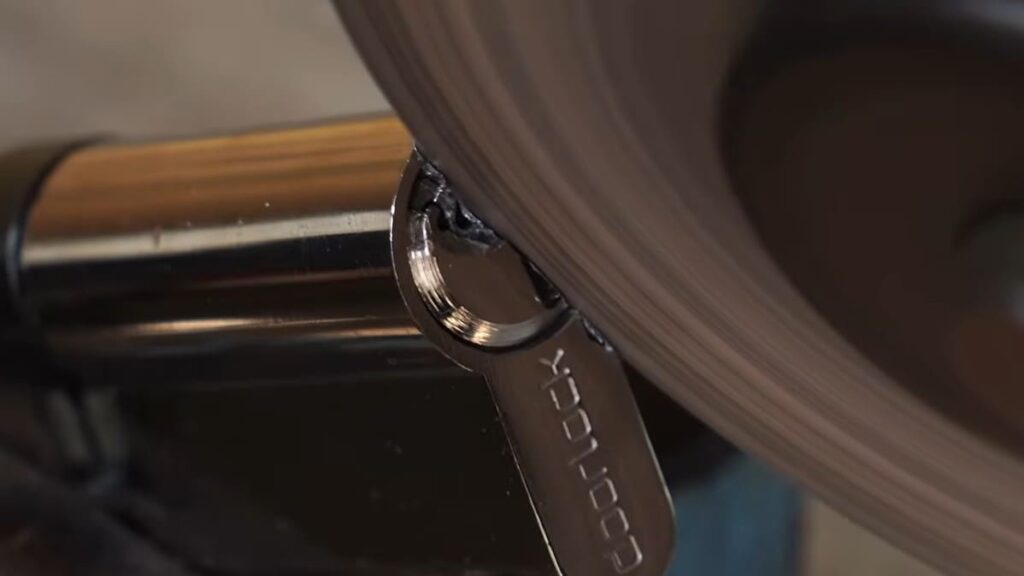
Mastering the use of a specialised extractor tool is crucial for dealing with a flush break inside lock mechanisms. When simpler methods fail, these advanced approaches can save the day.
Using a Broken Key Extractor Tool
A dedicated broken key extractor is the professional’s first choice. This key extractor tool is inserted along the key‘s ridges to hook its teeth.
Spiral extractor tools feature a thin, flexible metal bar. The spiralled threads dig into the broken key piece for a secure grip.
Always make sure the extractor tool is positioned correctly. It must hold the key fragment tightly before you pull it straight out.
Innovative Methods for Stubborn Keys
For a truly stubborn key, consider more creative solutions. A trimmed jigsaw blade can be slid into the lock to hook the fragment.
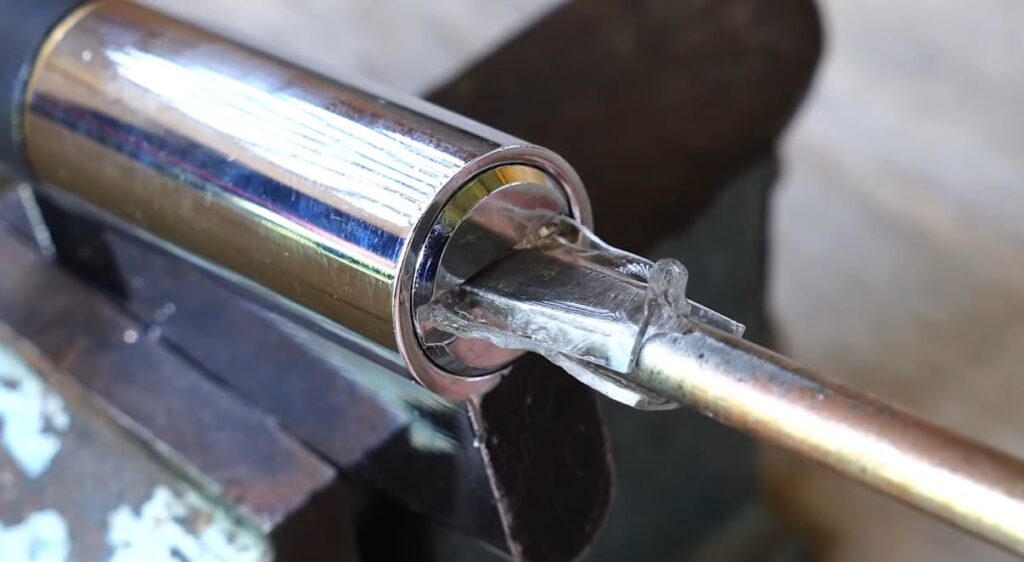
The glue stick method involves heating its end and pressing it against the broken key. Once cooled, it bonds for removal.
If you use super glue, apply only a tiny drop. Too much can seal the key fragment inside permanently.
Using needle nose pliers alongside an extractor provides extra leverage. This combination is reliable for the most difficult broken key scenarios.
| Method | Best For | Key Tool | Important Note |
|---|---|---|---|
| Spiral Extractor | Deep, flush breaks | Broken key extractor set | Hook the key’s teeth, don’t force it. |
| Modified Blade | Stubborn, wedged fragments | Trimmed jigsaw/hacksaw blade | Ensure blade is thin enough for the keyway. |
| Glue Stick | Accessible key ends | Hot melt glue stick | Heat creates a temporary, strong bond. |
| Tool Combination | Complex, difficult situations | Extractor & needle nose pliers | Provides grip and controlled pulling force. |
Tips to Prevent Future Key Breakage
Smart locks represent the ultimate solution for preventing key breakage incidents. Combining simple habits with modern technology stops problems before they start.
Proactive care saves you from future frustration and costly locksmith calls.
Regular Maintenance and Upkeep
Inspect your keys regularly for signs of wear. Look for bending or deep scratches on the metal.
Replace any worn key immediately. A fresh duplicate is a reliable part of your security plan.
Apply a dry lubricant like graphite powder to your lock mechanism every few months. This reduces internal friction over time.
Keep the keyway clean from dust and debris. A quick wipe prevents a sticky lock situation.
Considering Smart Lock Alternatives
Keyless smart locks eliminate the risk of broken keys entirely. The eufy FamiLock S3 Max uses advanced palm vein technology for secure, key-free entry.
This smart lock features a built-in 5MP 2K camera and a 4-inch screen. You can monitor visitors without a physical key.
Its Power Duo system includes a large rechargeable battery. You get extended usage without worrying about power failure.
Wi-Fi 6 connectivity ensures fast, secure wireless control. Upgrading is the best way to avoid a broken key lock dilemma for good.
| Prevention Method | Key Benefit | Effort Required | Long-Term Effect |
|---|---|---|---|
| Visual Key Inspection | Catches wear before a break | Low (Monthly check) | Prevents sudden lockouts |
| Regular Lubrication | Reduces internal friction | Low (Every 6 months) | Extends lock lifespan |
| Smart Lock Installation | Eliminates key use entirely | Medium (One-time setup) | Permanent solution to broken keys |
| Battery Management | Ensures reliable access | Low (Annual charge) | Prevents electronic failure |
Adopting these tips creates a robust defence against broken key lock issues. Your home remains accessible and secure.
Conclusion
With the insights from this guide, you can confidently address a broken key situation. Handling this mishap is challenging, but the correct tools and methods make it manageable.
Security expert Carl Ellis, who has experienced theft in several major cities, emphasises proper maintenance to avoid lock issues. Whether employing simple household items or advanced extraction techniques, patience is your greatest asset.
If your attempts to remove broken key fragments fail, a professional locksmith is the wisest choice. They possess the specialised tools to safely get broken key pieces out without damaging the mechanism.
Following these steps ensures your lock remains in good working order, preventing future frustration. We hope this guide has built your confidence to handle such incidents effectively and securely.