
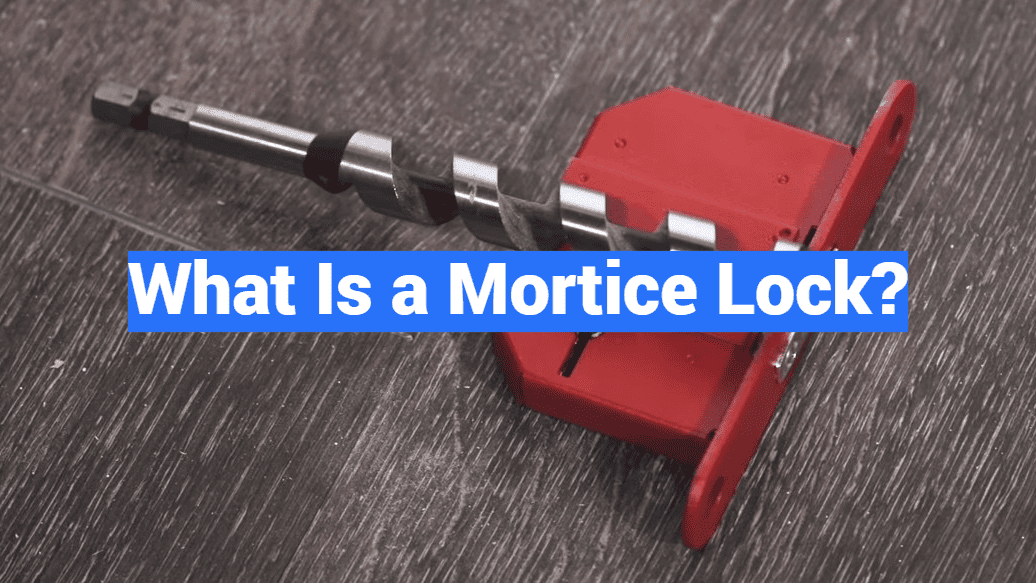

In 1805, Thomas Jefferson placed a substantial order for 26 high-security mechanisms for the principal rooms of his Monticello estate. This wasn’t for a new invention, but for a trusted hardware choice that had already been in use across the United States for decades.
This traditional security solution is defined by its fitting. Unlike surface-mounted designs, its entire mechanism sits embedded within a pocket cut into the edge of a timber door. This integration provides a discreet and incredibly robust locking point.
Having been a staple since the second quarter of the eighteenth century, the design has seen continuous refinement. From grand historical homes to modern commercial buildings, its core principle of concealed strength remains unchanged.
Today, this type of hardware is a common sight in many European homes and properties. It represents a blend of time-tested reliability and evolved engineering to meet contemporary security demands.
Key Takeaways
- The mechanism is fully recessed into a door’s edge, not fixed to its surface.
- Its history in the United States dates back to the early 1700s.
- Thomas Jefferson’s order for Monticello highlights its historical value for high-quality security.
- Fitting involves cutting a precise pocket into the door timber for a seamless finish.
- It offers superior strength and is a traditional choice for both residential and commercial properties.
- The design has evolved significantly over centuries to enhance its protective features.
- This style of hardware remains a prevalent and trusted security standard in many regions today.
Introduction to Mortice Locks
Fitting a device into a pre-cut pocket in the door edge provides a seamless and powerful barrier. This approach defines the core of traditional entry security. Its hidden nature offers both aesthetic discretion and significant physical strength.
Overview of Mortice Lock Functionality
These mechanisms operate through two main parts. The lock body sits inside the door’s thickness. A box keep, or strike plate, is fixed into the doorjamb.
When you turn the key, a solid bolt extends from the body. It slots securely into the keep. This creates a very rigid connection between door and frame.
| Component | Installation Location | Primary Function |
|---|---|---|
| Lock Body | Within door thickness | Houses the bolt mechanism |
| Box Keep | In the door jamb | Secures the extended bolt |
| Strike Plate | Fixed to door frame | Guides and reinforces engagement |
The Importance of Secure Door Fitting
Precision during installation is critical. A clean, accurate pocket ensures the hardware functions smoothly. Any gaps or misalignment can compromise the entire system.
For external timber doors, this type of fitting is often the preferred choice. It meets the robust security standards many insurance providers require. They frequently check the type of door locks fitted to your home.
A properly installed mortice offers peace of mind. It forms a reliable, long-lasting defence for your property.
The History and Evolution of Mortice Locks
Innovators like Robert Barron and Jeremiah Chubb fundamentally reshaped door security with their patented lever mechanisms. Their work in the early 19th century marked a pivotal shift from simple warded designs.
Early Usage and Traditional Applications
Early versions used warded mechanisms, which were easier to pick. Barron and Chubb’s lever tumbler design, patented in 1818, introduced a new level of security.
This allowed the bolt to move more securely within the door frame. A famous early example exists at Thomas Jefferson’s Monticello estate, where these locks were used alongside rim locks.
Modern Adaptations in Commercial and Residential Buildings
Today, the hardware has been adapted for contemporary needs. Commercial and residential buildings favour this system because it offers a more substantial internal mechanism than bored cylindrical types.
The transition to upright case designs allowed mortice deadlocks to fit narrower modern sash doors. This evolution ensures robust protection for both traditional timber and modern entry points.
Understanding what is a mortice lock: Features and Function
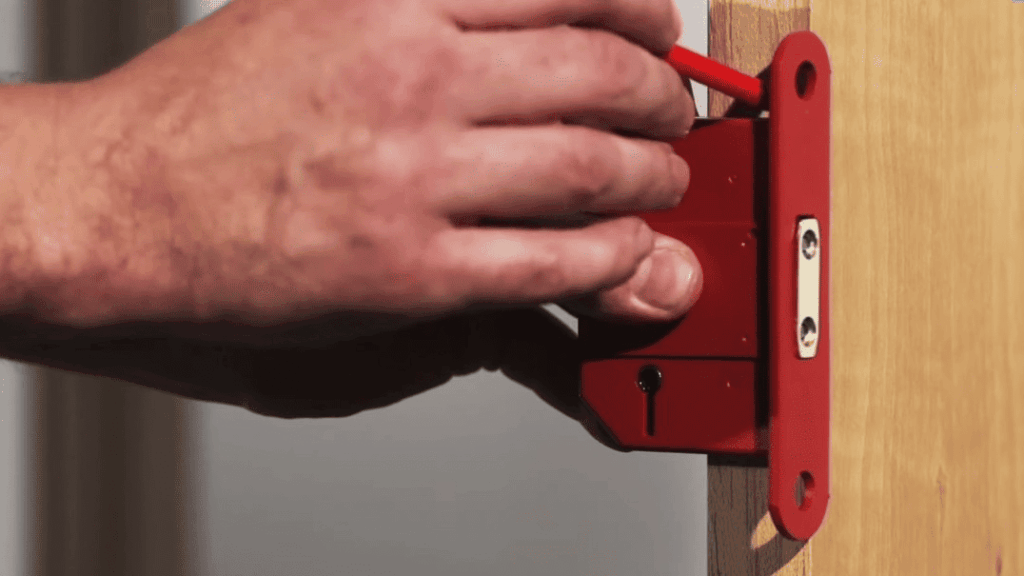
Embedded within the door’s edge, the lock body forms the core of this security system. It sits inside a precise mortice cut-out crafted into the timber.
A sturdy bolt extends from this internal mechanism. It engages with a reinforced strike plate fixed in the door jamb. This creates a rigid connection that resists forced entry.
The external trim or handle set is separate from the internal workings. This distinction is crucial for understanding the hardware’s full operation.
An embedded design provides higher mechanical stability than surface-mounted rim locks. A metal faceplate secures the unit to the door edge, protecting internal components from tampering.
| Component | Location | Primary Role |
|---|---|---|
| Lock Body | Inside door edge cut-out | Houses the bolt mechanism |
| Strike Plate | Fixed to door jamb | Reinforces the bolt cavity |
| Faceplate | Mounted on door edge | Secures and protects the unit |
Types of Mortice Locks and Their Mechanisms
Selecting a mortice lock involves deciding between key-only operation and combined latching functions. The internal lever mechanism is central to both designs, dictating their security grade.
Deadlock Mortice Locks
A deadlock is operated solely by a key. It lacks a sprung latch, so the bolt only moves when you turn the key. This makes it a superb, standalone security barrier.
Often fitted as a secondary device on an external door, it provides a powerful backup. High-security models typically feature a five-lever mechanism for superior pick resistance.
Sashlock and Latch Systems
In contrast, a sashlock combines two functions. It has a sprung latch bolt for convenient daily use and a central deadbolt for key-operated security.
This dual design is ideal for main entry points where a handle is used regularly. Many modern sashlocks eliminate the need for a separate nightlatch on a timber door.
The correct key aligns the internal levers, allowing the bolt to shoot. More levers inside the mechanism mean greater protection for your home.
Key Features, Security Benefits and Advantages
One of the most compelling advantages of this embedded security system is its exceptional resistance to forced entry attempts. Its design delivers a suite of benefits that directly strengthen your property’s defences.
These features combine to offer peace of mind and long-term reliability for any entry point.
Enhanced Security Measures
The internal mechanism can house a heavier return spring and more substantial components than many alternatives. This provides greater force behind the bolt, making it harder to jimmy open.
Homeowners can further boost protection by bolting steel reinforcing plates over the mortice on the door surface. This extra layer guards against drilling or prying attacks, significantly strengthening the entire setup.
Comparative Advantages Over Other Lock Types
Unlike common bored cylindrical types, this hardware offers superior mechanical stability. This solid foundation supports ornate, solid-cast handle sets or knobs without compromising function.
Its physical volume inside the door provides far greater resistance to common burglary techniques like kicking or wrenching. The versatility allows configuration for diverse commercial and residential security needs.
| Lock Type | Internal Mechanism | Mechanical Stability | Reinforcement Options |
|---|---|---|---|
| Mortice Lock | Substantial, multi-lever | Excellent, fully embedded | Bolt-on plates available |
| Bored Cylindrical | Lighter, smaller | Moderate, relies on door core | Limited |
| Rim Lock | Basic, surface-mounted | Poor, exposed to attack | Minimal |
Mortice Locks in Traditional Timber and Modern Doors
From period homes to contemporary builds, the mortice lock remains a versatile security solution for various door types.
Traditional timber doors are the most common application. The solid material allows for a clean, precise pocket to be cut, housing the mechanism securely within the door’s edge.
Installers must ensure the unit’s position is perfectly accurate. This maintains the structural integrity of both the door and its surrounding frame for optimal performance.
For double doors with a rebated edge, a special conversion kit is essential. This adaptor ensures the lock and its keep align and function correctly within the overlapping door sections.
Modern doors, particularly in upmarket residential construction, increasingly use this hardware. Its discreet aesthetics and functional security advantages make it a popular choice for new builds and renovations.
| Door Type | Primary Consideration | Key Fitting Note |
|---|---|---|
| Traditional Timber Door | Material allows for a deep, clean mortice pocket. | Verify door thickness suits the lock case size. |
| Modern Door (Solid Core) | Check core density to support the mechanism. | Ensure frame depth allows for full bolt engagement. |
| Double Door with Rebate | Alignment of leaf and keep is critical. | A rebate conversion kit is mandatory for correct function. |
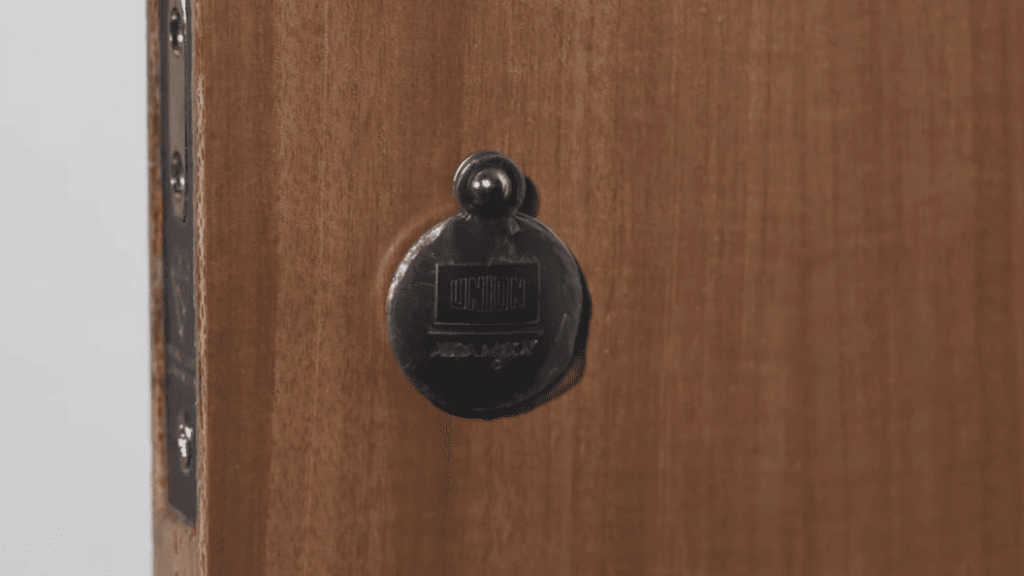
Operating Mechanisms: Traditional Key vs Euro Cylinder
The internal mechanism that secures your entry can be activated by two distinct types of hardware: the classic key or a modern Euro cylinder. Your choice influences daily convenience and the overall security level of your property.
Traditional Key Locking Methods
Traditional operation relies on a series of internal levers. The correct key aligns these levers perfectly, allowing the bolt to shoot from the edge door into its keep.
In 1865, Linus Yale, Jr. revolutionised this system. His pin tumbler mortice cylinder lock used a cam on the end of the key cylinder to operate the bolt. This design offered a new layer of pick resistance.
Euro Cylinder Operation Explained
A Euro cylinder is now a common alternative fitted to modern homes. With this system, the key inserted into the cylinder retracts the bolt or latch easily.
The lock and cylinder must be fitted together as a matched set. This ensures they meet the required security specification for your external door.
This design is popular for its flexibility. It allows for master keying, meaning fewer keys are needed to access multiple points within a single property.
Technical and British Standards for Mortice Locks
For homeowners and insurers alike, the BS3621 Kitemark symbolises a benchmark in reliable door security. These technical standards define the performance and thief-resistance of mechanical locking devices. Understanding them helps ensure your property’s protection meets necessary requirements.
Overview of BS3621 and Related Standards
BS3621 is a British Standard test specification for thief-resistant single-point locks. To earn the Kitemark, a mechanism must offer proven protection against drilling, picking, cutting, and forcing. This rigorous testing provides a clear measure of quality.
Many insurance providers mandate this standard for external timber doors. When checking your hardware, look for the British Standard Kitemark engraved on the faceplate. This confirms the unit has passed all required security evaluations.
Another key standard is BS8621. It provides for keyless egress, which is vital for fire safety in flats and multi-residential buildings. This allows occupants to exit quickly in an emergency without needing a key.
The BS10621 standard combines the features of BS3621 and BS8621. It allows for both secure locking and easy emergency escape. If you have questions about your lock’s compliance, a professional locksmith can verify the markings on the lock body.
| British Standard | Key Feature | Primary Use Case |
|---|---|---|
| BS3621 | Thief-resistant mechanical operation | External doors where insurance compliance is required |
| BS8621 | Keyless egress for safe escape | Multi-occupancy residential buildings for fire safety |
| BS10621 | Combines secure locking with emergency egress | Doors needing high security and compliant escape routes |
Selection, Installation and Maintenance Tips
Proper installation and ongoing care are crucial for maintaining the protective strength of your door’s primary defence. Getting the right hardware fitted correctly ensures reliable access and peace of mind for your property.
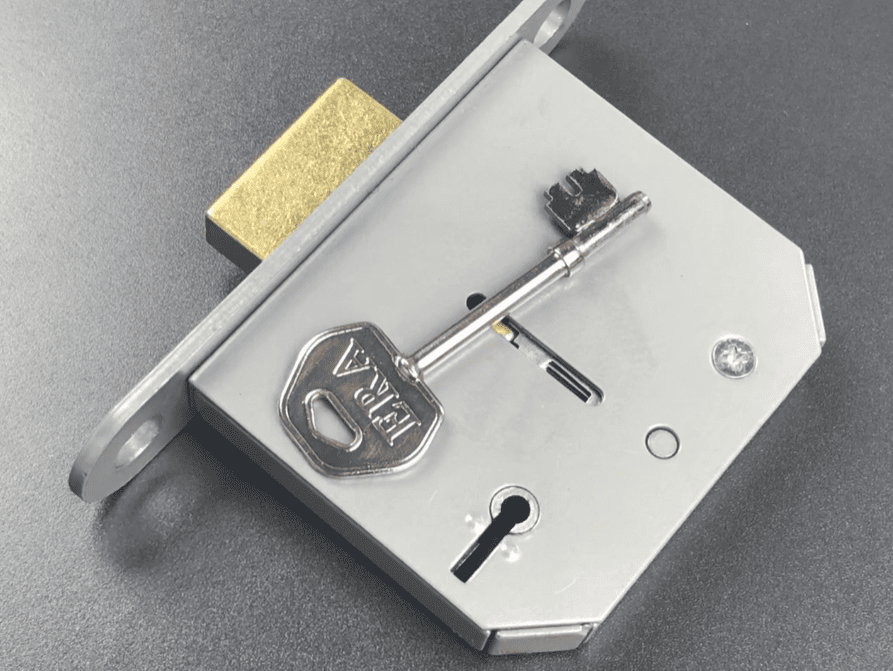
Choosing the Right Mortice Lock for Your Door
When you choose your lock, check the backset and centres match your existing handle or knobs. This avoids extra work on the door itself. Different types of doors need specific types of door locks.
Consult the maker’s guide. For a common sashlock or deadlocks, the ERA range uses a standard 57mm measurement from spindle centre to keyway.
Installation Best Practices and Maintenance Advice
A professional often uses a mortising jig. This ensures the unit is perfectly aligned in the door’s edge. For timber doors, the faceplate must sit flush with the door frame.
Check the 8mm wide spindle rotates smoothly in the handle. It operates the latch mechanism. Always test the latch and deadbolt before closing the door.
This confirms your property is secure and the escape route is clear. Correct fitting of cylinders is vital. Swapping a part can void the locking system’s security rating.
Regularly inspect the keyway and mechanism. This keeps your mortice lock reliable for years.
Conclusion
This comprehensive guide has walked you through the essential aspects of traditional door security. We’ve explored its rich history, detailed internal mechanisms, and the vital standards that define quality.
Selecting the correct hardware for your door is a fundamental step in safeguarding your home. Understanding the distinction between a deadbolt and a sprung latch system allows for a tailored choice.
Always verify the British Standard Kitemark on any unit you consider. This certification offers proven defence against common burglary methods, giving you greater confidence.
Finally, professional fitting and simple, regular checks ensure your chosen mortice lock performs reliably for years. Your home deserves this robust, time-tested layer of protection.