
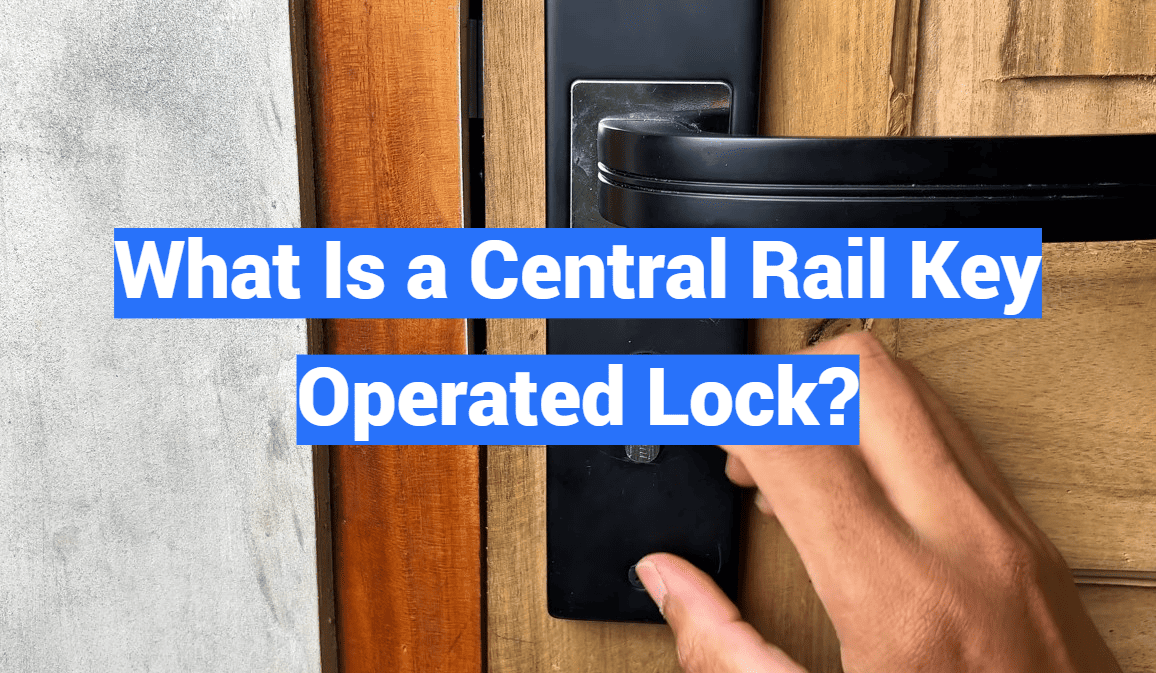

Every two minutes, a home in the UK faces a burglary attempt. This startling frequency highlights how crucial your front door lock truly is. It’s not just a piece of hardware; it’s your property’s primary physical barrier.
A robust locking mechanism serves as the first line of defence for your home. It deters intruders and provides essential peace of mind. The quality and type of device you choose directly impact your security.
This choice also influences your home insurance. Providers like Urban Jungle offer cover without mandating specific lock types, provided they function perfectly. However, many other insurers require compliance with British Standard BS3621 to validate a theft claim.
This guide will help you navigate these requirements. We’ll explore different security options to ensure your door offers the protection you and your insurer expect.
Key Takeaways
- Your front door’s locking system is the most critical element of your home’s physical security.
- Insurance providers frequently assess your lock type when calculating policy premiums and validating claims.
- The British Standard BS3621 is the recognised benchmark for insurance-approved locks in the UK.
- Some insurers, such as Urban Jungle, focus on the lock being fully functional rather than a specific model.
- Using inadequate or non-compliant hardware can lead to a home insurance claim being rejected.
- Understanding the various mechanisms available empowers you to make an informed security decision.
- Regular maintenance of your locking device is essential for both security and insurance purposes.
Introduction to Central Rail Key Operated Locks
uPVC and composite doors often use a specialised mechanism built into their central frame. This hardware is common on patio doors and French-style access points. It provides a robust security solution for these large glazed entryways.
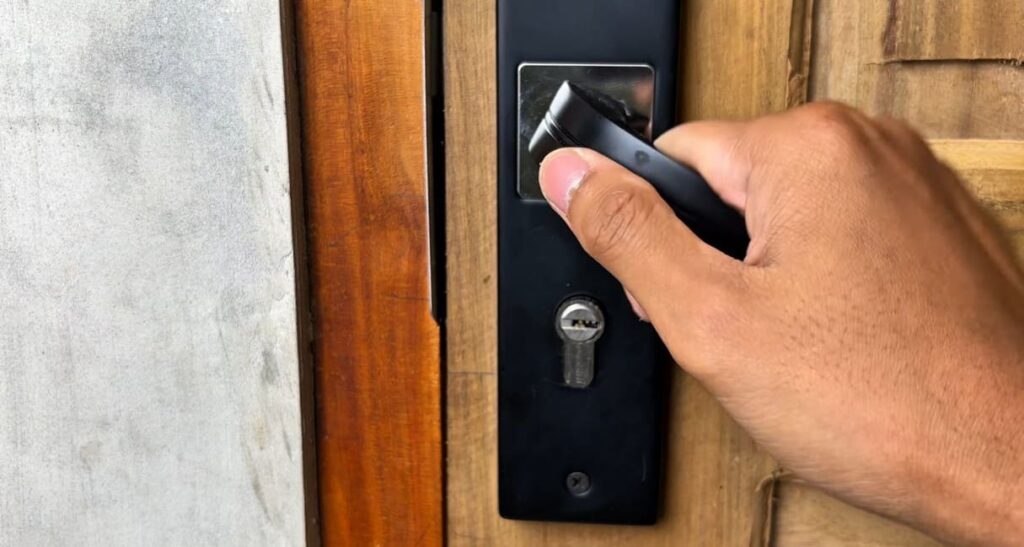
Our guide explains how these integrated systems work. Understanding their operation helps you keep your property safe. Recognising the correct type of device on your door is a crucial first step.
These mechanisms differ greatly from standard single-point locks. Traditional wooden doors usually have a single bolt. In contrast, central rail systems feature multiple moving parts housed within the door’s profile.
Correctly identifying your existing hardware is vital. It ensures your home meets modern protection standards. This knowledge also supports your insurance policy’s validity.
How Central Rail Key Operated Locks Work
At the heart of this security solution is a mechanism that transforms one turn into several robust engagements. This integrated hardware provides a seamless and powerful defence for your property.
When you turn the key, internal gears and levers spring into action. They drive solid bolts into the surrounding frame at multiple locations. This coordinated movement happens in an instant.
Key Mechanism and Operation
The primary hub, often called the central rail, orchestrates the entire process. A single rotation activates top, bottom, and centre locking points simultaneously. This multi-point engagement is the core of its strength.
Pressure from any attempted force is then distributed across the entire length of the door. This design makes it incredibly difficult to pry open. The smooth operation belies the formidable security it provides.
Secure Design Features
Modern versions of this system incorporate advanced materials to resist attack. Reinforced components prevent snapping, drilling, or forced manipulation. The hardware is built to endure significant pressure.
By securing the entry point at its extremes, the lock ensures the panel remains firmly shut. This comprehensive approach offers peace of mind far beyond simpler single-point devices. Your home’s main access gains a formidable barrier.
The Evolution of Door Lock Technology
Imagine a world where your front door recognises your smartphone instead of a metal key—this is the reality modern security offers. The journey from basic mechanical levers to sophisticated digital interfaces marks a significant shift. Home protection has always evolved to meet new challenges.
Today’s advanced door locks grant control via mobile apps. This allows for remote access and monitoring from anywhere. It brings a new level of convenience to the connected home.
Despite these smart features, the core need for a robust locking system remains unchanged. Insurance providers and homeowners alike prioritise physical strength. Historical developments led to benchmarks like the British Standard BS3621, which still defines quality for physical mechanisms.
As technology progresses, electronic components merge with traditional bolts. This integration continues to redefine how we protect our properties. The focus stays on creating a seamless, yet formidable, barrier.
Benefits of Installing a Central Rail Key Operated Lock
For homeowners seeking robust protection, a system that secures a door at multiple points is a game-changer. This approach offers far greater resistance to forced entry than a traditional single-point device. The force of any attack is spread across the entire frame, making it immensely difficult to breach.
A major practical advantage is how it prevents a door from being lifted off its runners. This addresses a common weakness in older patio doors. The enhanced structural integrity keeps the entire assembly firmly in place during an attempted break-in.
Users also appreciate the smooth, effortless operation of these mechanisms, particularly on larger uPVC frames. This reliable performance, combined with the formidable physical barrier, delivers significant peace of mind. Your family’s security is strengthened by a simple turn of a key.
The primary benefits of this locking configuration include:
- Superior defence: Multiple engagement points along the door edge create a unified, stronger barrier.
- Attack resistance: Effectively resists common methods like forcing, lifting, and prising.
- Enhanced durability: The distributed stress protects the door and frame from damage during an attack.
- Reliable operation: Engineered for smooth function, even on large, heavy doors.
- Insurance confidence: This level of protection often aligns with insurer expectations for validated claims.
Ultimately, upgrading to a multi-point system is a powerful step in fortifying your home’s security. It transforms a potential weak point into one of your property’s strongest features.
Comparing Central Rail Locks with Other Locking Systems
Wooden doors traditionally rely on single-point mortice locks, while modern uPVC frames demand a more integrated approach. The right hardware depends entirely on your door’s construction. Five-lever mortice deadlocks are the classic choice for timber.
These traditional mechanisms engage at just one location. This differs fundamentally from a multi-point system’s operation. Security is concentrated on a single, albeit strong, bolt.
Integrated systems are engineered specifically for uPVC and composite materials. They secure the door at several points along its edge simultaneously. This design is essential for the larger frames of patio or French doors.
Understanding these differences ensures you select compatible and effective hardware. Many property owners also layer different types of security for enhanced protection. This strategy can help meet various insurer requirements.
| Feature | Central Rail Multi-Point System | Traditional Mortice Lock |
|---|---|---|
| Primary Door Type | uPVC & Composite Doors | Timber Doors |
| Locking Points | Multiple (Top, Centre, Bottom) | Single Point |
| Integration | Built into Door Frame | Fitted into Door Edge |
| Common Use | Patio & French Doors | Front & Back Entrances |
| Insurance Alignment | Often Meets BS3621 on Compatible Doors | Standard BS3621 Option for Wood |
Choosing between these locking systems is not about one being superior. It’s about matching the mechanism to your door’s material and design. This compatibility is key for optimal performance and peace of mind.
what is a central rail key operated lock?
Patio doors and French windows present unique security challenges due to their size and construction. These large, glazed access points need a specialised mechanism built directly into their frame. This integrated hardware provides the robust protection such entries demand.
The device secures the door at several points along its vertical edge with a single turn. This multi-point engagement is far stronger than a traditional single-bolt lock. It transforms the entire panel into a unified barrier.
This type of mechanism is engineered specifically for modern uPVC and composite materials. Unlike a standard mortice lock for timber, it handles the unique dimensions and properties of these doors. The system is a common feature on patio styles.
If you are unsure about your door’s type of security, look for a central rail running along its edge. This locking configuration is a critical component for home safety. It offers formidable defence for expansive glass-panelled entries.
Integration of Multi-Point Locking Systems
The strength of a door’s defence often lies in how many points it secures to the surrounding structure. A multi-point locking system is fully integrated into the door’s frame, not just added on. This design creates a unified barrier that works as one solid unit.
Advantages of Multi-Point Systems
These multi-point locking systems engage a minimum of three bolts simultaneously. Top, centre, and bottom points all shoot into the frame with a single turn. This makes it immensely difficult for an intruder to force the door open at any one spot.
The distributed force protects the door and frame from damage. For uPVC and composite doors, this level of integrated security is highly recommended. It provides a defence that traditional locks simply cannot match.
| Aspect | Multi-Point Locking System | Single-Point Lock |
|---|---|---|
| User Action to Lock | Lift handle, then turn key | Turn key only |
| Locking Points Engaged | Three or more simultaneously | One bolt only |
| Force Distribution | Spread across entire frame | Concentrated on one point |
| Common on Door Types | uPVC, Composite, Patio doors | Traditional timber doors |
| Resistance to Prying | Very High | Moderate |
Operational Differences Compared to Single-Point Locks
Using a multi-point locking mechanism requires a specific sequence. You must lift the handle before turning the key to fully engage all bolts. This step is crucial for complete security.
Failing to follow this process can leave your home vulnerable. If all points are not secured, the system’s effectiveness is compromised. Proper operation ensures you get the full benefit of this robust locking solution.
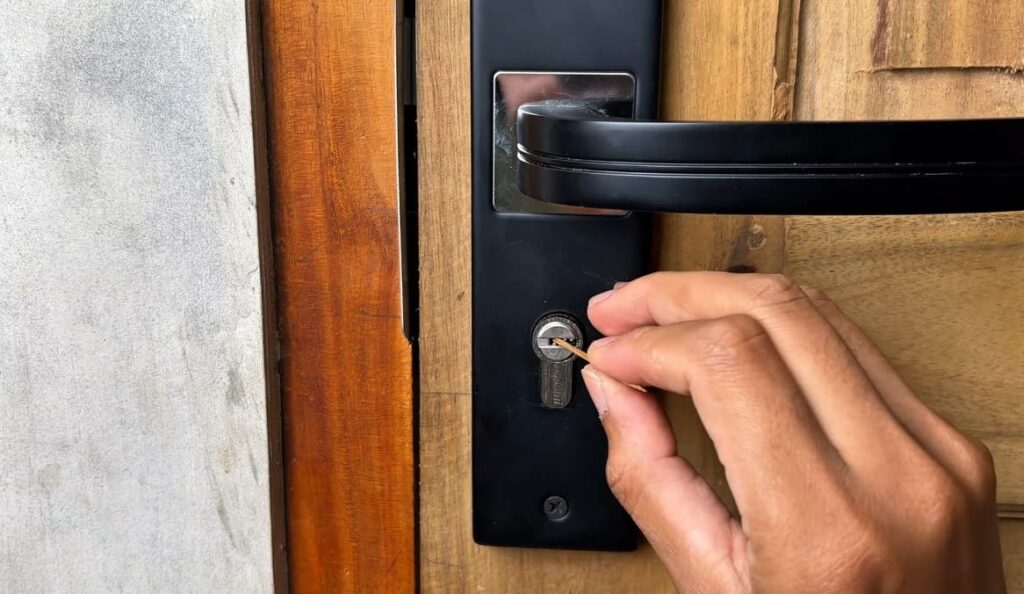
Materials and Construction: uPVC, Composite, and Timber
Your door’s construction material is the primary factor determining compatible locking mechanisms. The security hardware you choose must be designed for the specific build of your entry point. Getting this match right is essential for both safety and long-term performance.
uPVC doors are almost exclusively engineered for multi-point locking systems. These mechanisms integrate directly into the plastic profile of the frame. This design provides a seamless and robust defence for the entire panel.
Similarly, modern composite doors blend materials for strength and aesthetics. They are also highly compatible with advanced multi-point security. This integration offers homeowners maximum protection without compromising on style.
In contrast, traditional timber doors are the classic home for the mortice lock. This type of hardware is fitted directly into the solid wood of the door edge. It represents a time-tested approach for wooden entryways.
Selecting the correct lock for your door material is vital. Attempting to fit a mortice mechanism into a uPVC door is generally not feasible or secure. Always ensure your chosen security solution aligns with your door’s construction for true peace of mind.
Installation, Maintenance, and Security Tips
Proper installation and regular upkeep are the cornerstones of any effective home security system. Getting these elements right ensures your door offers reliable protection for years. It also helps keep your insurance policy valid should you need to make a claim.
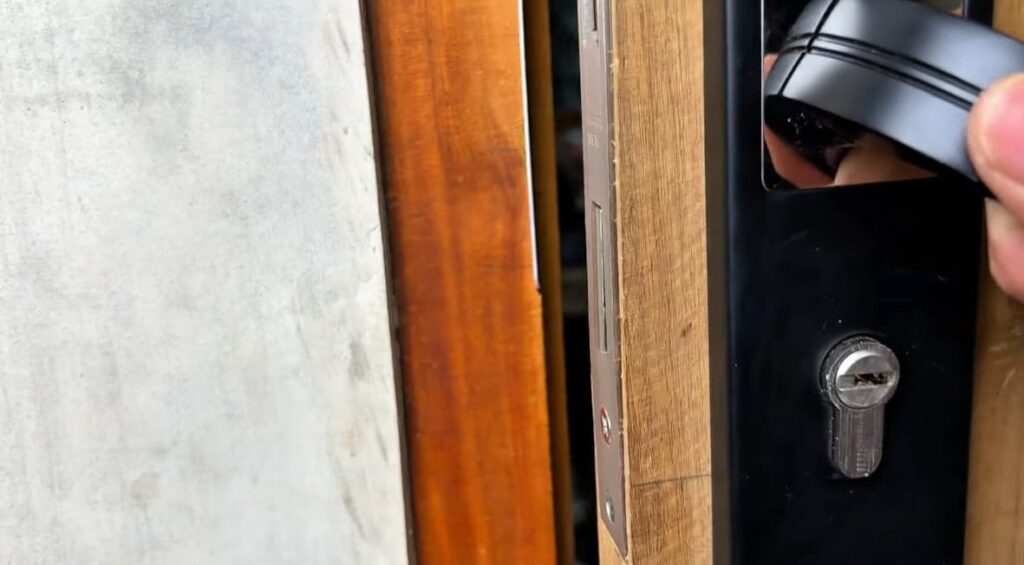
Installation Guidelines and Best Practices
For maximum security, professional fitting of your chosen mechanism is highly recommended. An expert ensures the hardware aligns perfectly with the door frame. This is vital for both a traditional mortice lock and modern multi-point locks.
Correct alignment prevents forced entry and ensures smooth operation from day one. Always verify that bolts engage fully at the top and bottom of the frame.
Maintenance Tips for Longevity
Regular care keeps your door hardware functioning flawlessly. Apply a graphite-based lubricant to the locking points annually to prevent stiffness. Check that your front door closes and locks securely without force.
If you encounter any resistance when turning the key, seek professional advice immediately. A simple service can prevent a complete failure. Following this advice extends the life of your locks and maintains your home’s security.
Understanding Insurance Requirements and British Standards
Meeting British Standard BS3621 is not just a recommendation; it’s a frequent mandate for valid theft coverage. Most providers require your front door to be secured with hardware meeting this British standard.
A classic five-lever mortice deadlock conforming to BS3621 is highly regarded. The number of levers in a mortice lock indicates its security level, with five being the industry benchmark.
Always check your policy for specific requirements regarding the type of lock on external doors. If your mortice deadlock lacks the British Standard kitemark, your property may be deemed inadequately secured.
Verify your chosen deadlock is tested against drilling and picking. This satisfies your insurance company’s criteria for robust protection.
| Feature | BS3621 Compliant Lock | Non-Compliant Lock |
|---|---|---|
| Standard Met | Yes – carries kitemark | No – uncertified |
| Typical Lever Count | 5 levers minimum | Often 3 levers or fewer |
| Attack Resistance | Tested against drilling & picking | May fail basic attack tests |
| Insurance Recognition | Widely accepted for claims | May lead to claim rejection |
Understanding these standards is vital for your guide to home security. It ensures your insurance claims process smoothly and your family remains protected.
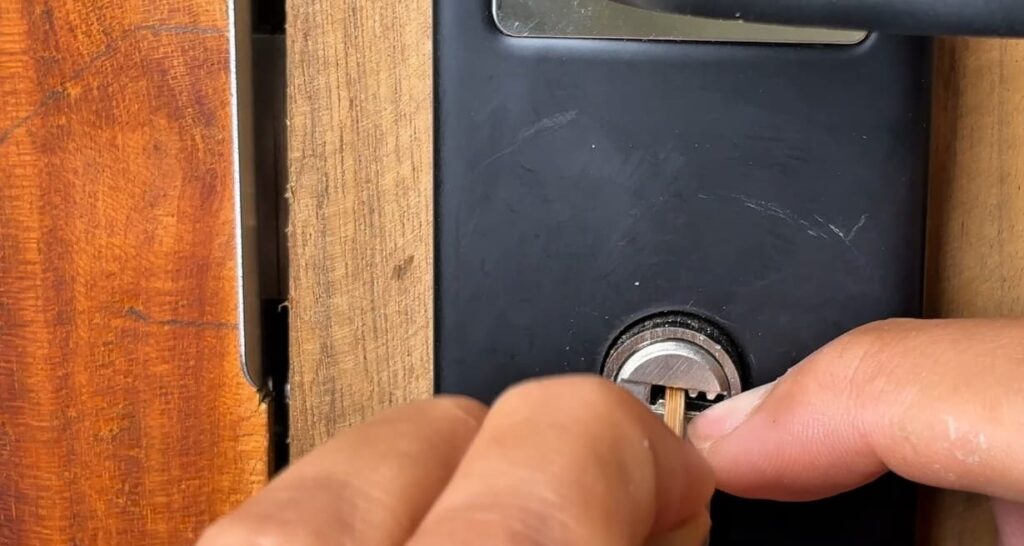
Expert Advice on Choosing the Right Door Lock System
Selecting the perfect security hardware for your property can feel overwhelming with so many options available. Getting professional guidance cuts through the confusion and ensures you invest in a mechanism that truly protects your home.
Professional Recommendations
For trustworthy advice, consult a member of the Master Locksmiths Association (MLA). These vetted professionals understand how different locks perform on various front door materials. Their insight is your best guide to effective security.
Experts frequently recommend a five-lever mortice deadlock for traditional wooden doors. This specific type of lock has a proven track record of resisting forced entry. Its design meets the rigorous British Standard BS3621, which insurers respect.
Always ensure any new deadlock is professionally fitted. A qualified locksmith will guarantee correct alignment and full bolt engagement. Prioritise mortice locks that have been independently tested for drill and pick resistance.
| Door Type | Recommended Lock | Key Features | Why Experts Recommend It |
|---|---|---|---|
| Wooden Front Door | 5-Lever Mortice Deadlock | BS3621 Certified, Anti-drill, Anti-pick | Time-tested defence against brute force attacks. |
| uPVC/Composite Door | High-Security Multi-Point System | Multiple Bolts, Integrated Frame Design | Distributes force, making the door extremely hard to prise open. |
The best mortice deadlock is one that is correctly installed and well-maintained. This provides reliable, long-term security for your family and your property. A professional assessment is a smart first step in your upgrade project.
Conclusion
Securing your property starts with choosing hardware that meets both your needs and insurer standards. Understanding the differences between various locks empowers you to make this critical decision with confidence.
Always look for the British Standard kitemark when purchasing new hardware. This certification ensures your home remains protected to the highest possible level, which also helps keep your insurance policy valid.
Regular maintenance of your mortice and multi-point systems guarantees reliable function for many years. Simple care prevents failures and sustains your peace of mind.
If ever in doubt about your home’s defences, consult a professional locksmith for tailored advice. Their expertise can address specific property concerns effectively.
This guide has provided the essential information to navigate door security confidently. Your home’s safety is worth the investment in robust, certified mechanisms like a five-lever mortice deadlock.